



Personal finance basics hit different when you’re staring at your credit card statement like I was last month, seriously. I’m sitting here in my chilly Chicago apartment on this January morning in 2026, heater humming away, nursing a coffee that’s gone cold because I got distracted scrolling through my banking app again. Personal finance basics every credit card user should know—yeah, that’s what I wish someone drilled into me back when I first got my card in college and thought “free money” was a thing.
Like, okay, real talk: I racked up over $5,000 in debt a few years ago because I didn’t get how interest works. Thought I could just pay the minimum and it’d be fine. Nope. That crap compounds daily, and suddenly I’m paying hundreds extra just in fees. Embarrassing as hell admitting that, but here we are. Anyway, let’s break down the personal finance basics that could’ve saved me from that mess.

My Messy Take on Personal Finance Basics: Understanding Credit Card Interest
Credit card interest is the sneaky killer in all these personal finance basics. It’s basically the price you pay for borrowing if you don’t pay off your balance in full. Most cards calculate it daily—your APR divided by 365, slapped on your average daily balance. I learned this the hard way when my 22% APR turned a $2,000 balance into a nightmare.
According to the CFPB, many issuers charge daily on whatever you owe, and if you carry a balance, boom—no grace period next time. NerdWallet breaks it down super clear: pay in full, avoid interest entirely. But me? I used to think minimum payments were “responsible.” Ha, no—they barely touch principal, and interest piles up.
Pro tip from my regrets: Always check your statement for different APRs—purchases vs. cash advances. Cash advances? Brutal rates, avoid ’em.
Personal Finance Basics I Ignored: Credit Utilization and Your Score
Credit utilization is huge in personal finance basics—it’s like 30% of your FICO score. Keep it under 30%, ideally low single digits. Mine shot up to 80% once, tanked my score to the 500s. Felt like crap.
Experian says even if you pay in full, high utilization before the statement closes gets reported. myFICO agrees: low utilization shows you’re not desperate for credit. I started paying mid-cycle now, keeps it low.


Look at that gauge—mine’s finally climbing after I got serious.
The Personal Finance Basics of Paying Credit Cards on Time (My Biggest Fail)
Paying on time? Non-negotiable personal finance basics. Late payments ding your score hard, stay on reports seven years. I missed one by a day once—$40 fee, score drop, ugh.
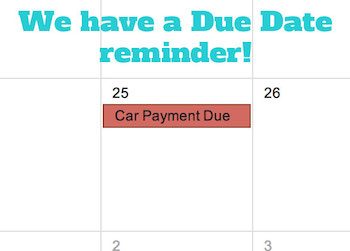
Best practice: Set autopay for at least minimum, but I pay full early now. Discover and Capital One say paying before statement close lowers utilization, saves interest if carrying balance. I calendar reminders like crazy.

Personal Finance Basics Around Rewards Credit Cards: Temptation City
Rewards sound amazing—cash back, points, travel. Pros: Free money if you pay full. I love my cash-back card for groceries now.
But cons? High APRs if you carry balance, and I did that. Rewards lure you into overspending. Bankrate warns: Only use if disciplined.
In 2025, rewards are competitive, but devaluations happen. Stick to simple cash back if you’re like me—flawed and prone to impulse buys.

Wrapping This Ramble on Personal Finance Basics
Man, personal finance basics with credit cards boil down to: Pay in full, watch utilization, understand interest, and don’t let rewards trick you into debt. I’m still digging out from old mistakes, but my score’s up 150 points now. Contradictory me loves the convenience but hates the traps.
Anyway, check your statements today, set those autopays, and maybe grab free credit monitoring from Experian or something. What’s one personal finance basic you’re nailing or screwing up? Hit me up in comments—I could use the solidarity. Stay smart out there.